

BRAIN HEALTH & COGNITIVE AGING
Exploring Brain Health Through Wearables.
Featuring research at the UCSF Memory and Aging Center
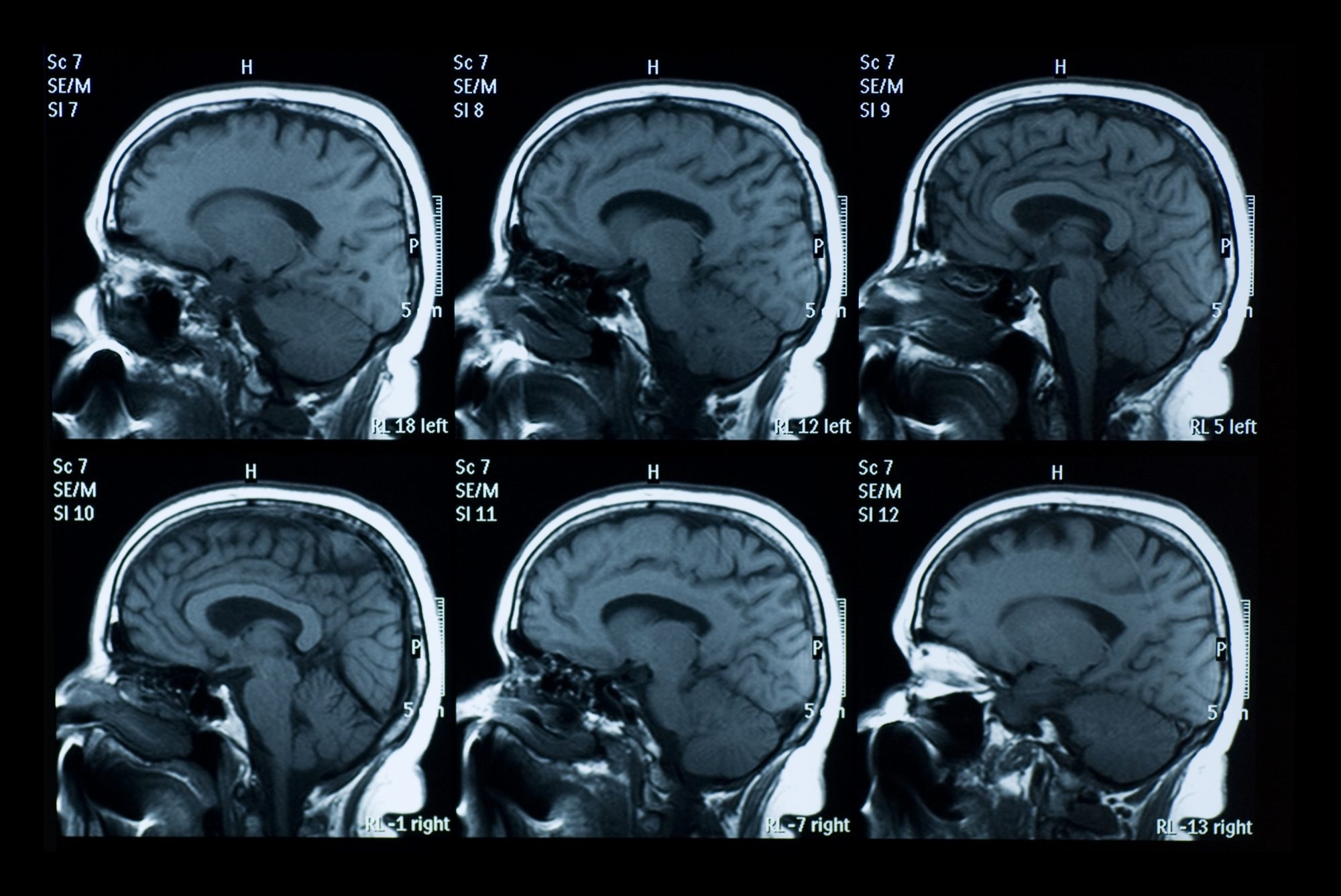
RESEARCH IN PROGRESSIronOpen supports ongoing research investigating remote monitoring in aging adults with mild cognitive impairment (MCI) and dementia. The study evaluates monitoring feasibility and adherence while exploring relationships between physiological signals, cognitive assessments, MRI findings, and Alzheimer's disease and related dementias (ADRD) biomarkers.
HOW IT WORKS
How Remote Monitoring Supports the Research
- 01
MONITOR
Collect longitudinal physiological information through study-selected wearable devices.
- 02
EVALUATE
Assess monitoring feasibility, adherence, wear time, and data completeness.
- 03
INVESTIGATE
Explore associations between wearable-derived measures, cognitive assessments, MRI findings, and ADRD biomarkers.

Research Focus
Evaluating wearable feasibility and physiological associations with cognitive health in adults with Alzheimer's disease, Mild Cognitive Impairment (MCI) and dementia.
What This Means for Research
LONGITUDINAL VISIBILITY
Monitor Beyond Study Visits
Collect physiological information during participants' everyday activities.
REAL-WORLD FEASIBILITY
Understand Monitoring Adherence
Evaluate device use and data completeness to inform future research.
MULTIMODAL RESEARCH
Connect Physiological and Cognitive Data
Prepare wearable-derived measures for analysis alongside independently collected research datasets.
Bring Longitudinal Monitoring to Your Research.
Explore how IronOpen can support wearable feasibility studies, physiological monitoring, and research workflows.
Research in progress. IronOpen is non-diagnostic and has not been validated to diagnose or predict Alzheimer's disease.